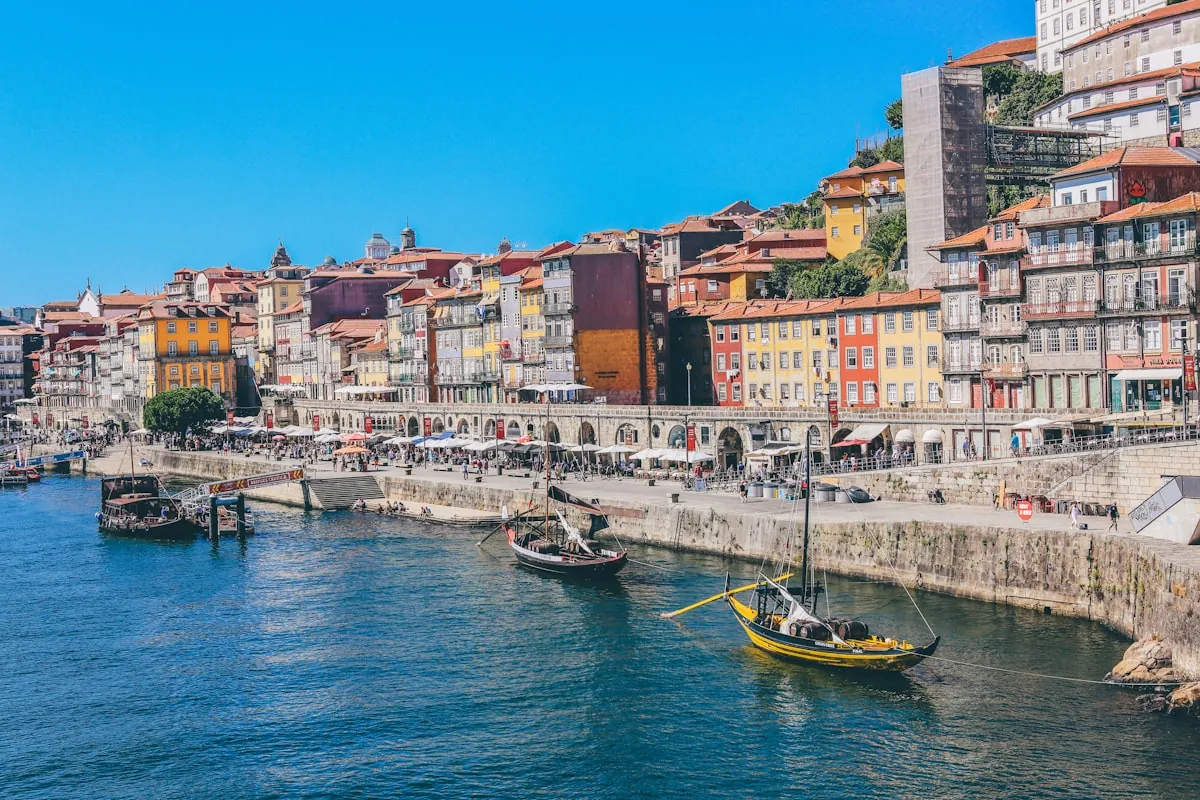
Portugal became the go-to spot for nomads and honestly it makes sense. Weather is great. Costs are reasonable. WiFi actually works. People are friendly. Spent eight months there and keep going back.
Why Portugal
Portugal keeps showing up on every nomad hotspot list. Here's why.
Climate. Three hundred plus days of sunshine with mild winters and warm summers. Cost of living. Way cheaper than Western Europe especially outside Lisbon. Infrastructure. Solid internet speeds and plenty of coworking spaces. Language. Most younger people speak English pretty well. Safety. One of the safest countries in Europe. Time zone. GMT works well for both US and European clients. Quality of life. Good food and beautiful coastline and rich culture. Nomad community. Lisbon Porto and Madeira all have established scenes.
The Visa Basics
Portugal rolled out their official nomad visa in late twenty twenty two according to the Portuguese immigration authority. Designed for non-EU folks who work remotely for employers or clients outside Portugal.
Main features. Initial one year residence permit that renews for two year periods. Eligible for permanent residency after five years. Citizenship possible after five years too. Legal right to work remotely from Portugal. Free travel in the Schengen Area. Spouse and kids can join you.
Who Can Apply
Income Requirement
You need about three thousand six hundred eighty monthly. That's four times Portugal's minimum wage. Might adjust each year.
Employment Type
Remote employee of a company registered outside Portugal. Or freelancer serving clients outside Portugal. Or business owner of a company registered elsewhere.
Other Requirements
Valid passport with at least six months left. No criminal record. Health insurance that covers Portugal. Proof of accommodation like a rental contract or hotel booking.
Documents You Need
Identity Stuff
Valid passport with two blank pages minimum. Recent passport photos meeting Portuguese requirements.
Proof of Income
Employment contract or letter confirming remote work. Bank statements for the last three to six months showing consistent income. Tax returns from home. For freelancers client contracts or invoices work.
Additional Documents
Criminal background check from home country and apostilled. Health insurance certificate. Proof of accommodation. Completed visa application form. Statement explaining your remote work situation.
All documents need Portuguese translation by a certified translator plus apostille authentication.
How to Apply
Step one. Gather documents. Allow two to four weeks especially for criminal checks and apostilles.
Step two. Apply at Portuguese consulate in your home country. Book online. Wait times vary by location.
Step three. Wait for approval. Usually thirty to sixty days. You'll get a temporary visa for entry.
Step four. Travel to Portugal. You have four months to finish the next step.
Step five. Visit AIMA which used to be called SEF. That's Portugal's immigration authority. Book at aima. Gov. Pt. Bring originals.
Step six. Receive residence permit. After biometrics and document review you get your card. Takes two to four weeks after the appointment.
Costs and Timeline
Visa Fees
Application fee about ninety euros. Residence permit fee around seventy two. Total government fees roughly one sixty two.
Other Costs
Translations run fifty to two hundred. Apostilles twenty to fifty per document. Criminal check thirty to fifty. Health insurance fifty to one fifty monthly. Immigration lawyer optional but runs five hundred to fifteen hundred.
Timeline
Document prep takes two to four weeks. Consulate processing thirty to sixty days. Residence permit two to eight weeks after AIMA.total is three to five months start to finish.
D7 Versus Nomad Visa
Portugal has two main options for remote workers.
Digital Nomad Visa
Made for remote workers specifically. Higher income requirement at three thousand six hundred eighty monthly. Clear work authorization. Newer program with less established procedures.
D7 Visa
Originally for retirees with passive income. Lower income requirement around nine twenty monthly. Works for remote workers but less explicitly. Well established with clear processes. Often faster.
Which one? If you meet income requirements the nomad visa gives clearer work authorization. Lower income or want established process then D7 might suit better.
Tax Stuff
Tax Residency
More than one eighty three days in Portugal means you're tax resident according to Portuguese tax authority. Tax residents pay on worldwide income.
NHR Status
Portugal's Non-Habitual Resident program offered great benefits including flat twenty percent on Portuguese income and potential exemptions on foreign income. Program closed to new applicants in twenty twenty four. Check for any successor programs.
Considerations
Talk to a tax professional who knows both Portugal and your home country. Check tax treaties. Understand social security implications. Keep detailed records.
Best Cities
Lisbon
Capital and biggest nomad hub. Vibrant coworking and international community and great food and direct flights. Highest costs in Portugal though. Tourist crowds. Summer heat.
Porto
Second city known for wine and history. Lower costs than Lisbon. Authentic Portuguese culture. Growing nomad scene. Beautiful architecture. Rainier climate and smaller international community.
Madeira
The island launched Digital Nomads Madeira to attract remote workers. Year-round spring weather. Stunning nature. Dedicated nomad village in Ponta do Sol. Lower costs. But isolated and smaller community.
Ericeira
Surf town forty five minutes from Lisbon. Beach lifestyle and surfing and relaxed vibe. Growing nomad scene. Limited nightlife and need a car.
Algarve
Southern coast with beaches and golf. Best weather. Beach access. Affordable outside summer. Tourist focused and quiet in winter with fewer coworking options.
Cost of Living
Lisbon Monthly Budget
Rent for one bedroom eight hundred to fourteen hundred. Coworking one fifty to three hundred. Groceries two hundred to three hundred. Eating out two hundred to four hundred. Transport forty to one hundred. Utilities eighty to one fifty. Health insurance fifty to one fifty. Total around fifteen twenty to twenty eight hundred.
Porto and Other Cities
Expect twenty to thirty percent lower costs especially rent. Porto budget might be twelve hundred to two thousand monthly.
Questions
Frequently Asked Questions
Get Started
Portugal's digital nomad visa opens the door to one of Europe's most welcoming countries. With good prep you can be working from a Lisbon cafe or Porto coworking space in a few months.
Start documents early. Consider a lawyer for complex situations. Research your ideal Portuguese city. The nomad community there is active and helpful and you'll find support once you arrive.