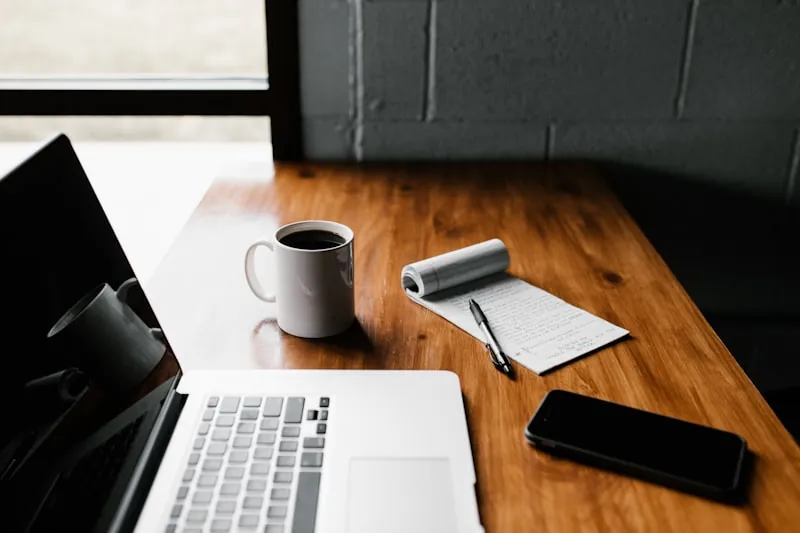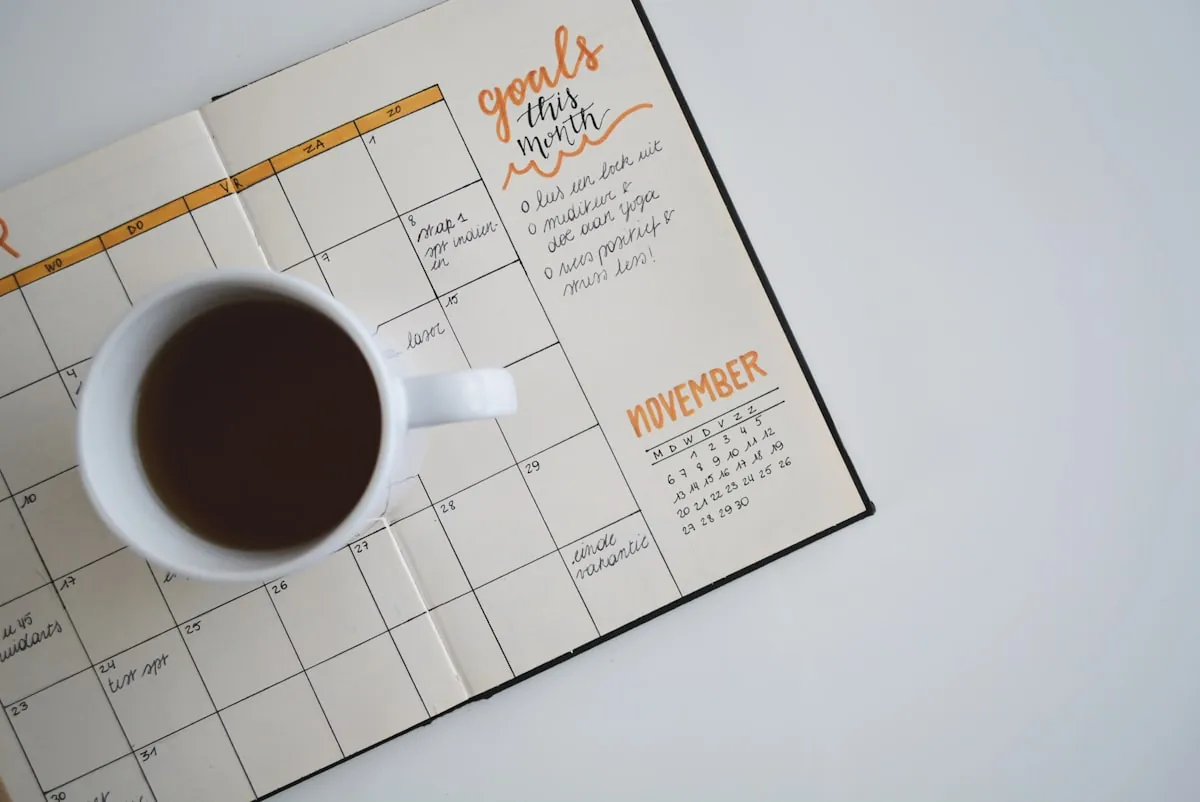
I used to roll out of bed, open my laptop, and start working in my pajamas. Coffee came later. Showering was optional. Seemed efficient. Until I realized I was exhausted by ten AM and couldn't focus on anything meaningful.
Here's the thing. When you worked in an office, your morning had built-in structure. Alarm. Shower. Commute. Arrive. Start work. Each step prepared your brain for what came next.
Remote work kills all that. No commute. No colleagues watching you. No real distinction between home-you and work-you. Your brain stays confused about what mode it should be in.
This guide is about fixing that confusion.
The Bed-to-Desk Problem
Let's name the enemy: rolling straight from bed to desk.
You wake up, grab coffee, sit down, and start working. All within fifteen minutes of opening your eyes. Maybe you never even left your bedroom.
Why This Wrecks Your Day
No mental shift happening. Your brain hasn't transitioned from sleep mode to work mode.
No physical activation. You went from lying down to sitting without any real movement.
Boundaries disappear. Work bleeds into personal time when there's nothing separating them.
Reactive energy. You start responding to other people's priorities instead of your own.
That mid-morning crash. Without proper activation, you hit a wall before lunch.
Your Commute Did Something
Even if you hated it, your commute served a purpose. It was a buffer between home-you and work-you. Time to mentally prepare. Listen to podcasts. Stare out the window. Whatever.
Remote workers need to build that buffer intentionally. Your morning routine is the replacement. Doesn't need to be an hour. Just needs to be something that signals: we're switching gears now.
Signs You Need Better Mornings
You feel foggy until late morning. Exhausted by noon despite not doing much. Can't focus on your first task. Feel like you're catching up all day. Work and life merged into one gray blob.
Any of this sound familiar?
Sample Routines
Pick what fits your schedule. Start realistic, then expand.
The Thirty-Minute Minimum
For people with limited time or early meetings.
Wake up at the same time daily. Drink water immediately. Move for five minutes. Stretching, pushups, quick walk. Whatever. Shower and change out of sleepwear. Eat something with protein. Not just coffee. Spend two minutes reviewing your top three priorities. Then start work on your most important task. Not email.
Key stuff: movement plus hygiene plus intention-setting. This is the bare minimum for a productive start.
The Sixty-Minute Standard
A balanced routine with time for both body and mind.
Same wake time. Avoid snooze. Water first, optionally with lemon. Light exposure. Open blinds or step outside briefly. Fifteen minutes of movement. Yoga, walking, workout. Shower and dress like you're leaving the house. Five to ten minutes of mindfulness. Meditation, journaling, quiet reflection. Breakfast without screens. Five minute plan review. Calendar check. Top three priorities. Transition ritual. Make coffee. Walk to your office. Start work. Deep work first. Email later.
Key addition: mindfulness. Creates mental clarity and cuts reactive thinking.
The Ninety-Minute Extended
For people who want maximum benefit or have flexible schedules.
Wake one to two hours before you need to start work. Water and light exposure. Thirty minutes of real exercise. Run. Gym. Yoga. Something substantial. Shower and dress. Ten to fifteen minutes of mindfulness. Meditation, breathwork, journaling. Fifteen minutes of learning. Book. Course. Podcast. Breakfast without screens. Thirty minutes of deep work. Your most important task before any interruptions. Then full work start. You've already accomplished something meaningful.
Key addition: learning and early deep work. You get important stuff done before most people wake up.
Physical Movement
Movement is non-negotiable. Your body was shut down for six to eight hours. It needs waking up.
Why Morning Movement Matters
Raises alertness naturally. Increases body temperature and cortisol in a good way.
Improves focus. Exercise releases stuff that helps your brain function better.
Offsets sitting. Remote workers sit way too much. Start with movement. Consider a standing desk to alternate throughout the day.
Better mood. Endorphins carry through your morning.
Quick Options Under Ten Minutes
Morning stretching. Target neck, shoulders, hips, back.
Sun salutations. Five to ten yoga sequences.
Bodyweight circuit. Ten pushups. Twenty squats. Thirty seconds plank.
Walk outside. Five to ten minutes around the block.
Jumping jacks. Fifty of them take two minutes and wake you right up.
Moderate Options Fifteen to Thirty Minutes
Follow a home workout video or app.
Full twenty to thirty minute yoga flow.
Twenty minute neighborhood walk.
Short fifteen to twenty minute run.
Stationary bike or quick outdoor ride.
Making Movement Stick
Set out workout clothes the night before. Start small. Five minutes beats zero. Do it before you're awake enough to talk yourself out of it. Track completion on a habit app.
Mental Preparation
Physical readiness isn't enough. Your brain needs prep work too.
Meditation
Even five minutes helps.
Reduces reactive thinking. You respond instead of react. Improves attention span. Decreases morning anxiety. Creates a mental reset before work.
Apps like Headspace, Calm, or Insight Timer offer guided morning sessions for beginners.
Journaling
Writing clears mental clutter.
Morning pages. Three pages of stream-of-consciousness. Julia Cameron's method.
Gratitude list. Three things you're grateful for.
Priority setting. "The one thing I must accomplish today is..."
Anxiety dump. Write out worries to get them out of your head.
Visualization
Spend two to three minutes picturing your ideal day.
See yourself completing your most important task. Imagine handling challenges calmly. Picture ending the day satisfied.
Sounds woo-woo but athletes and executives use this. Prepares your brain for outcomes you want.
Intention Setting
Before working, answer: what would make today successful?
Write down one to three specific outcomes. Prevents drifting through your day without direction.
Skip the Email Trap
The most common morning killer: checking email first.
Why Email First Is Poison
Reactive mode. You start responding to other people's priorities.
Anxiety spike. Emails contain problems and demands.
Time sink. "Quick check" becomes forty-five minutes.
Lost morning. Best focus hours spent on other people's agendas.
The Email Delay Strategy
Complete morning routine first. No exceptions.
First work hour goes to your most important task. Not inbox.
First email check happens at ten or after your deep work block.
Emergency protocol: if your job requires responsiveness, do a two-minute scan for true emergencies only.
Making This Work
Don't open email on your phone in the morning. Keep email tab closed until check time. Use blockers like Freedom or Cold Turkey to enforce this. Tell your team your response schedule.
Most "urgent" emails aren't actually urgent. If something's truly critical, people call.
Transition Rituals
The most powerful piece: the ritual that signals work mode to your brain.
What's a Transition Ritual
A short, consistent action that marks the boundary between personal time and work time.
Your commute used to do this automatically. Now you build it intentionally.
Rituals That Work
The fake commute. Walk around the block before sitting at your desk. Simulates arrival. Fresh air. Light. Movement.
The coffee ritual. Make your coffee mindfully. Not while scrolling your phone. The smell, taste, warmth becomes linked to starting work.
The workspace entry. If you have a home office, close the door at night and open it when you arrive in the morning. Physical act creates mental boundary.
The priority review. Two minutes reviewing your task list. Identify top three. Focuses your mind on what matters.
The deep breath. Before touching keyboard, three deep breaths. Simple reset that signals: I'm starting now.
Making Rituals Stick
Same ritual. Same order. Every day.
Include sensory stuff. Smell, touch, movement. Not just mental activities.
Keep it short. Two to five minutes works. Complexity kills consistency.
Never skip. Even on busy days, do the abbreviated version.
Tools That Help
Habit Tracking
Streaks for iOS. Simple, beautiful. Up to twenty-four habits. Apple Watch support. Five bucks one-time.
Habitica. Gamified tracking. Earn rewards, level up. Good if you need external motivation. Free with premium options.
Notion or Todoist. Daily recurring tasks for routine items. Integration with broader task management. Free versions available.
Meditation Apps
Headspace. Guided meditations including morning-specific sessions. Good for beginners. Thirteen bucks monthly or seventy yearly.
Calm. Meditation, sleep stories, music. Daily calm feature for morning practice. Fifteen monthly or seventy yearly.
Insight Timer. Massive free library. Timer for unguided practice. Free with premium options.
Movement Apps
Down Dog. AI-generated yoga sequences. Customizable duration. Ten bucks monthly or sixty yearly.
Nike Training Club. Home workouts of various lengths. Completely free. No equipment needed options.
Seven Minute Workout. Quick bodyweight circuit. No excuses. Only seven minutes. Free.
Wake-Up Tools
Philips Wake-Up Light. Simulates sunrise before alarm. Easier waking. Fifty to one fifty depending on model.
Sleep Cycle. Analyzes sleep and wakes you during light sleep. Reduces grogginess. Free with premium.
Different Body Clocks
Not everyone is built for five AM mornings. Your chronotype matters.
Early Birds
Natural wake time: five thirty to six thirty.
Peak energy: eight AM to noon.
Lean into your advantage. Do deep work early. Morning routine can start at five thirty, work at seven. Protect mornings from meetings. Accept you'll fade in evenings.
Night Owls
Natural wake time: seven thirty to nine.
Peak energy: five PM to nine PM or later.
Don't fight your biology. Forcing five AM usually backfires. Morning routine at eight is fine. Work starts nine or ten. Use mornings for routine tasks. Save deep work for afternoon or evening. Light exposure immediately helps shift rhythm earlier. Consistency still matters. Same wake time daily.
In-Betweens
Natural wake time: seven to eight.
Peak energy: ten AM to two PM.
Standard sixty-minute routine works well. Protect mid-morning for important work. Watch for post-lunch slump and schedule accordingly.
Finding Your Type
When do you naturally wake without alarm on vacation? When do you feel most alert and creative? When do you prefer exercising? Are you useless before nine or energized at six?
For formal assessment, try the Morningness-Eveningness Questionnaire or Daniel Pink's chronotype quiz from his book When.
Frequently Asked Questions
No universal answer. Depends on your body and work requirements. Early birds do well with five thirty to six thirty. Night owls need seven thirty to eight thirty. Flexible schedules mean wake time matters less than consistency. Key is same time every day within thirty minutes. Even weekends.
No. Checking email hands your agenda to others. Complete routine first. Spend first work hour on your most important task. Schedule email checks for mid-morning and afternoon. Exception: time-sensitive roles can do a quick emergency-only scan. Emails from eleven PM can wait until ten AM.
Requires creative timing. Wake before them if possible. Even thirty minutes of quiet helps. Involve them in parts. Family breakfast. Kid-friendly stretching. Parallel routines. They do theirs while you do yours. Adjust expectations. Fifteen minutes beats nothing. Focus on the transition element. Short ritual that signals work time still helps.
Night owls can still benefit from routines. Don't fight biology. If you're alert at ten, design around that. Give yourself sixty to ninety minutes from wake to work. Light exposure after waking helps. Consistency matters more than timing. Same eight AM routine every day is fine.
Quality beats duration. Minimum effective: fifteen to thirty minutes. Movement plus transition ritual. Standard: forty-five to sixty minutes. Movement, mindfulness, planning. Extended: ninety plus minutes. Includes deep work before interruptions. Start sustainable. A fifteen-minute routine you do daily beats a two-hour routine you abandon after a week.
Yes. But not necessarily formal clothes. Shower provides physical reset. Signals day has started. Change clothes. Different from what you slept in, even if casual. The test: could you answer a video call without embarrassment? You don't need business attire. Just need to feel ready for work, not bed.
Protein helps. Eggs, Greek yogurt, nuts. Keeps you full and stable. Complex carbs like oatmeal or whole grains provide sustained energy. Avoid high-sugar cereals and pastries. They cause crashes. Some people focus better fasting. Experiment. Hydration matters too. You wake up dehydrated. Water first.
Research says eighteen to two fifty-four days with an average of sixty-six days according to University College London habit formation studies. Week one through two requires conscious effort and willpower. Week three through eight gets easier but still needs intention. Month three plus becomes more automatic. Faster adoption: link new habits to existing ones, start small, track completion, don't break chain on weekends.
Bottom Line
The perfect morning routine doesn't exist. What exists is your routine. One that fits your life, your energy, your goals.
Tonight: choose three elements. Movement. Transition ritual. No-email-first rule.
Tomorrow: try the thirty-minute minimum.
This week: track what works and what doesn't.
Next week: adjust and expand based on what you learned.
Remote workers who thrive aren't superhuman. They've designed their mornings intentionally instead of letting them happen by accident.
Your morning sets the tone for everything after. Invest thirty to sixty minutes in starting well and you'll get that time back in productivity, focus, and satisfaction.