My First Tax Season Mistake Cost Me $1,200
Year one of freelancing. I'd upgraded my whole home office. New standing desk, decent ergonomic chair, proper lighting. Spent almost $2,000. Tax season came around and I had zero receipts. Just... didn't occur to me to save them. My accountant's face told the whole story.
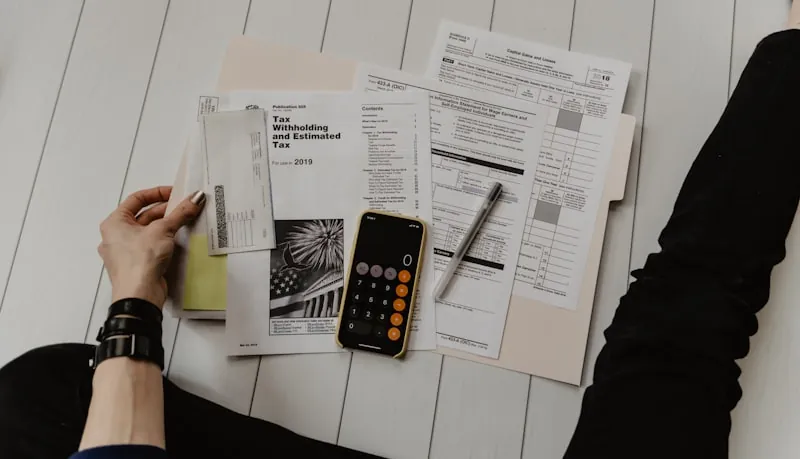
I learned the hard way: yes, you can deduct furniture if you're self-employed. But only if you've got the documentation to back it up. Nobody at the IRS cares about your nice setup until they do. And then they want everything. Here's how to actually claim these deductions without making my mistakes.
The Basics Before We Dive In
Self-employed and your desk sits in a dedicated work spot? Deductible. You can write off the whole thing immediately through Section 179 per the IRS, or spread it across multiple years if that makes more sense for your situation.
But there are rules:
- You've gotta be self-employed . W-2 folks can't touch this deduction at the federal level anymore
- The furniture has to actually serve a business purpose
- Keep your receipts and maybe snap some photos
- And that home office needs to pass the IRS test for regular and exclusive use
Let's break down what actually qualifies and where people mess this up.
Stuff That Counts (And Stuff That Doesn't)
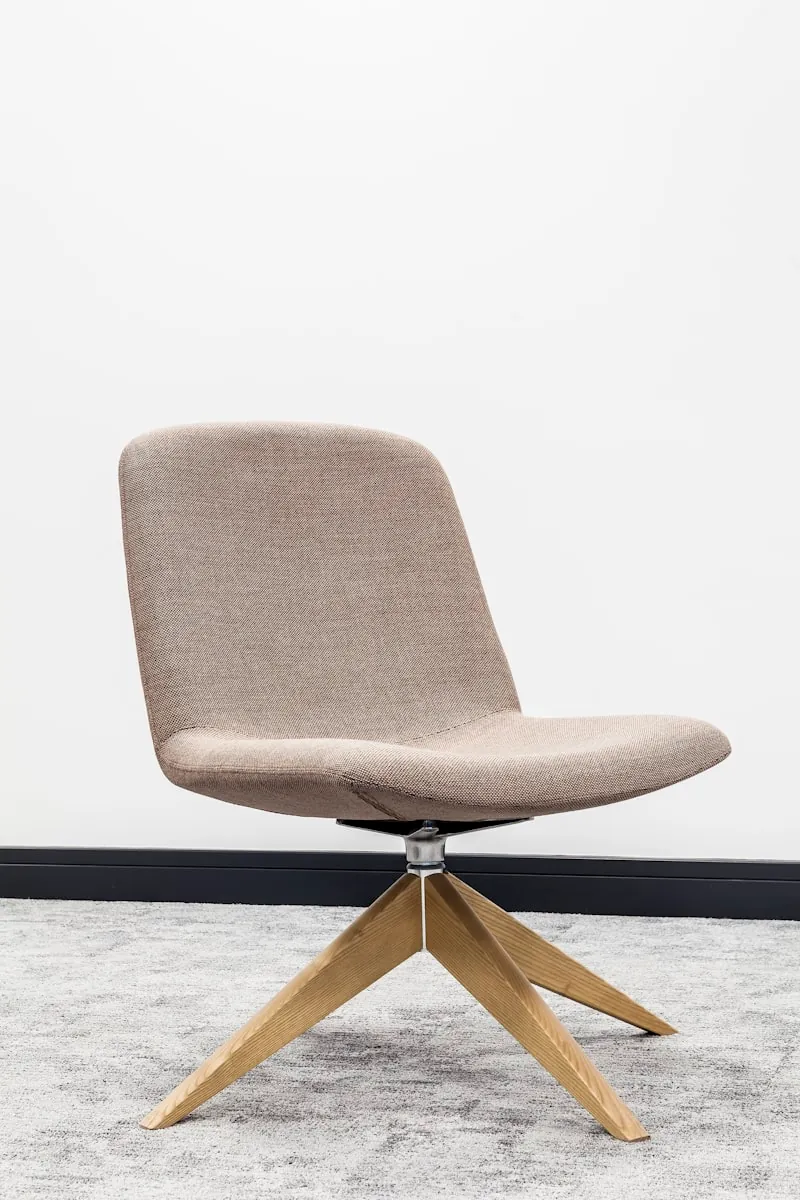
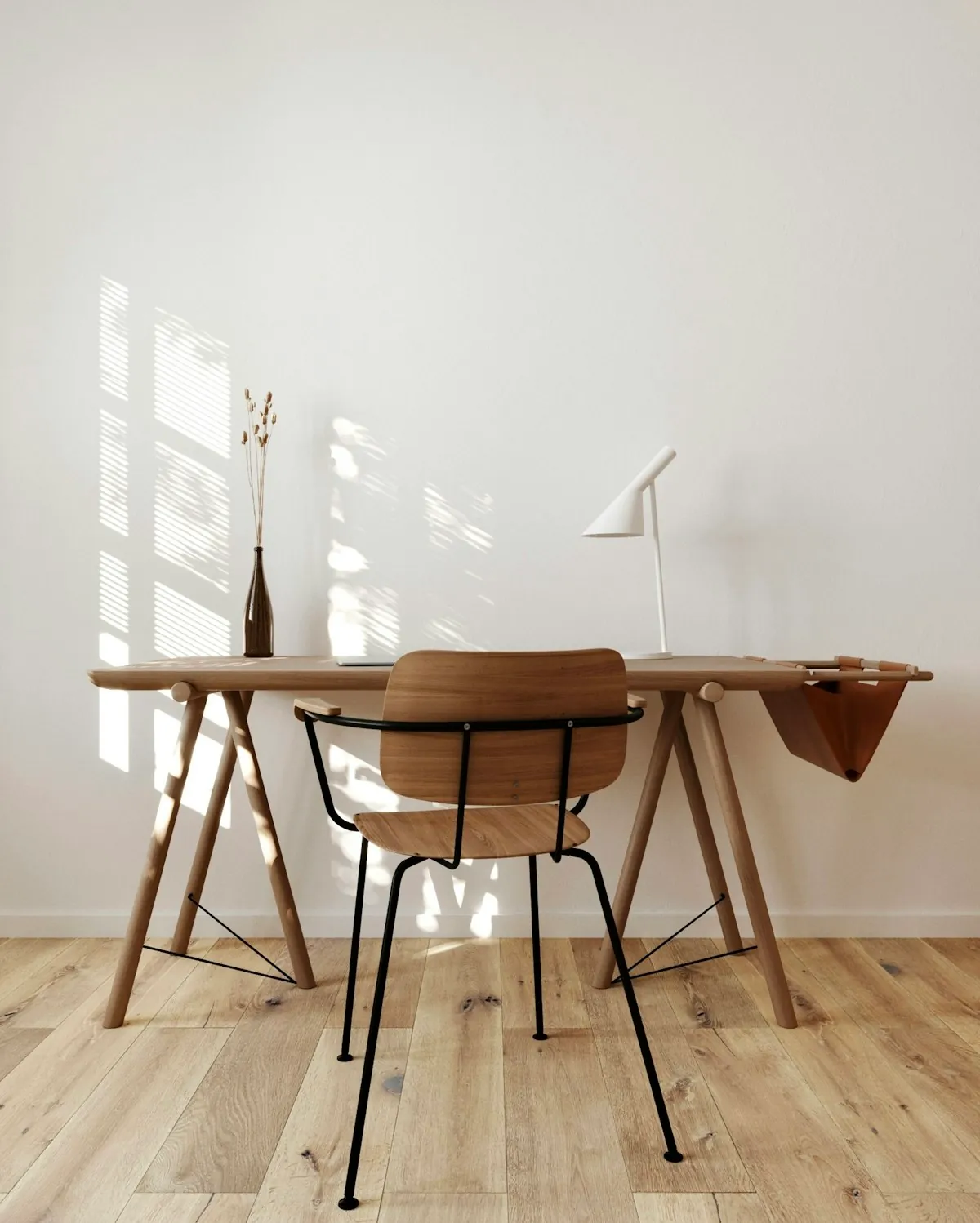
Pretty much any furniture that helps you work counts. Standing desks, compact desks, traditional desks . whatever style you prefer. Ergonomic chairs, task chairs, kneeling chairs. Filing cabinets, bookcases, shelving units. Desk lamps and floor lamps that help you see your work. Even monitor stands and keyboard trays if you want to get specific about it.
What Doesn't Fly
Decorations and plants unless they're somehow essential to your business (good luck arguing that one). That coffee maker in the kitchen. The couch where you sometimes scroll through Slack. General house stuff like painting or new floors . though you might prorate the office portion.
The Quick Test
Here's my quick test: Would you have bought this thing if you never worked from home?
A fifteen hundred dollar ergonomic chair because your back screams after eight hours of work? Business expense. A comfy couch where you occasionally reply to emails? That's just a couch.
Writing It Off: Now vs Later
Two paths here, and most people overthink this.
Section 179: Everything Now
Section 179 lets you deduct everything you paid in the year you bought it. Boom, done. The 2026 limit is $2,560,000. The 2025 tax law roughly doubled it. So unless you're furnishing a WeWork, you're fine.
Buy an eight hundred dollar standing desk and a five hundred dollar chair this year, deduct thirteen hundred on your 2026 taxes.
Depreciation: Spread It Out
The alternative is depreciation. Office furniture technically has a seven-year useful life, so you'd deduct roughly fourteen percent annually. That same desk spread over seven years gets you about a hundred bucks a year in deductions.
Which to Pick?
Most freelancers should grab Section 179. Money now beats money later . that's just how time value works. Plus less tracking over the years.
Only go depreciation if you're having a low income year and expect to earn way more down the road.
That Depreciation Rabbit Hole
If you do go the depreciation route, the IRS uses something called MACRS. Modified Accelerated Cost Recovery System . catchy name, right?
The percentages aren't even splits. Year one gives you about fourteen percent, year two jumps to almost twenty-five percent, then it tapers down. By year seven and eight you're getting single digits. The math works out to a full write-off over time.
Bonus Depreciation
There's also bonus depreciation. The phase-out I used to describe here? Cancelled. The One Big Beautiful Bill Act made 100% bonus depreciation permanent for property acquired after January 19, 2025. So furniture you buy in 2026 can be written off in full in year one either way.
One difference actually matters. Section 179 can't push you into a loss. It's capped at your business income. Bonus depreciation doesn't have that cap. Rough year with thin profit? Ask your tax person which one fits.
Keeping the IRS Happy
Documentation sounds boring because it is. But the alternative is losing your deductions during an audit, and that's worse boring.
What to Keep for Every Purchase
For every piece of furniture: save the receipt showing what you bought and when, keep proof you actually paid (credit card statement works), take a photo of the thing sitting in your office, and jot a quick note about why you needed it.
Your Home Office Itself
For the office itself: measure the square footage and know your home's total. Take pictures showing your dedicated workspace. A quick floor plan sketch showing where the office sits doesn't hurt.
How Long to Keep Everything
How long to keep this stuff? At least three years from when you filed says the IRS, but seven years is safer. For anything you're depreciating, keep records until the depreciation finishes plus three more years.
Just dump it all in a Google Drive folder organized by tax year and forget about it. Or let an expense tracking app do the filing for you.
Employees vs Everyone Else
Here's where things get frustrating for a lot of people.
Self-Employed Folks
Self-employed folks . freelancers, 1099 contractors, business owners . get the full deduction. File it on Schedule C or your business return. Just need that regular and exclusive use situation.
W-2 Employees
W-2 employees? Basically nothing at the federal level. The 2017 tax overhaul killed that deduction through 2025, and the 2025 tax bill made it permanent. Some states still allow a version of it on the state return. Pennsylvania does, with conditions. So check your local rules. Or ask your employer to reimburse you, which is tax-free on your end.
Got Both?
Got both? Like you're employed full-time but also freelance on the side? You can only deduct the freelance portion. Twenty hours freelancing plus forty hours at your day job means you can deduct a third of that furniture cost against your freelance income.
The Limits Nobody Hits
Section 179 caps at $2,560,000 for 2026. Unless you're outfitting an actual office building, you're nowhere near that.
Home Office Method Limits
The simplified home office method . five bucks per square foot, maxing at three hundred square feet . caps at fifteen hundred total. But furniture gets deducted separately, not counted in that cap.
Regular method? No ceiling on furniture specifically, though your total home office deduction can't exceed what you made from the business. Any excess rolls forward to next year.
The Practical Reality
Practical reality: unreasonably expensive stuff might invite questions. A ten thousand dollar desk when you're pulling fifty grand a year might raise eyebrows. Just document why you needed it if you're going high-end.
Frequently Asked Questions
If your desk lives in a dedicated home office used exclusively for work, full deduction . even if you occasionally check personal stuff there. In a shared space like the living room? Only deduct the percentage you actually use for work. Eighty percent work use equals eighty percent deductible.
Only furniture in your dedicated office counts. That chair in the living room where you sometimes take calls doesn't qualify. The test: is this space used regularly and exclusively for business?
Keep them seven years minimum. IRS can audit six years back in some situations. Digital copies work fine . photo the receipt, toss it in cloud storage. Apps like Expensify help too.
Not at the federal level, and that's permanent now after the 2025 tax law. Some states still allow it, Pennsylvania for one. Self-employed or have 1099 income on the side? You can deduct for that work.
Yep, same as any office furniture. Ergonomic chairs, standing desks, monitor arms . all deductible if used for business. Doctor prescribed it for medical reasons? Might also qualify as a medical expense.
You can depreciate it based on fair market value when you convert it to business use . not what you originally paid. This gets complicated. Buying new and deducting straight is usually simpler.
Section 179 for most people. Immediate tax savings, simpler records, and you probably need the deduction more now than years from now. Depreciation only makes sense if you're low income now but expect way higher taxes later.
Not necessarily. A dedicated corner with a desk works. A partitioned area. A closet converted to workspace. Just has to be regular and exclusive business use. Kitchen table where you eat dinner? Doesn't count.
Yes, in your favor. 100% bonus depreciation is back for good, and the Section 179 limit jumped to $2.5 million for 2025 ($2,560,000 for 2026). For a normal home office, it means you can write off everything the year you buy it.
Get Your Deduction Already
Your home office furniture is a legitimate write-off that puts actual money back in your pocket. Not complicated if you just stay organized. Electronics follow mostly the same rules, see writing off home office equipment, and the full freelancer deductions guide covers the rest.
Quick checklist: photograph your setup, measure the space, save your receipts digitally, note why you bought each thing, use Section 179 for the immediate win, and get a tax pro involved if your situation has layers.
Build yourself a comfortable workspace . and let the tax savings make it easier to justify.